.svg)


How Does Community Solar Work for Commercial Buildings?
What Is Community Solar?
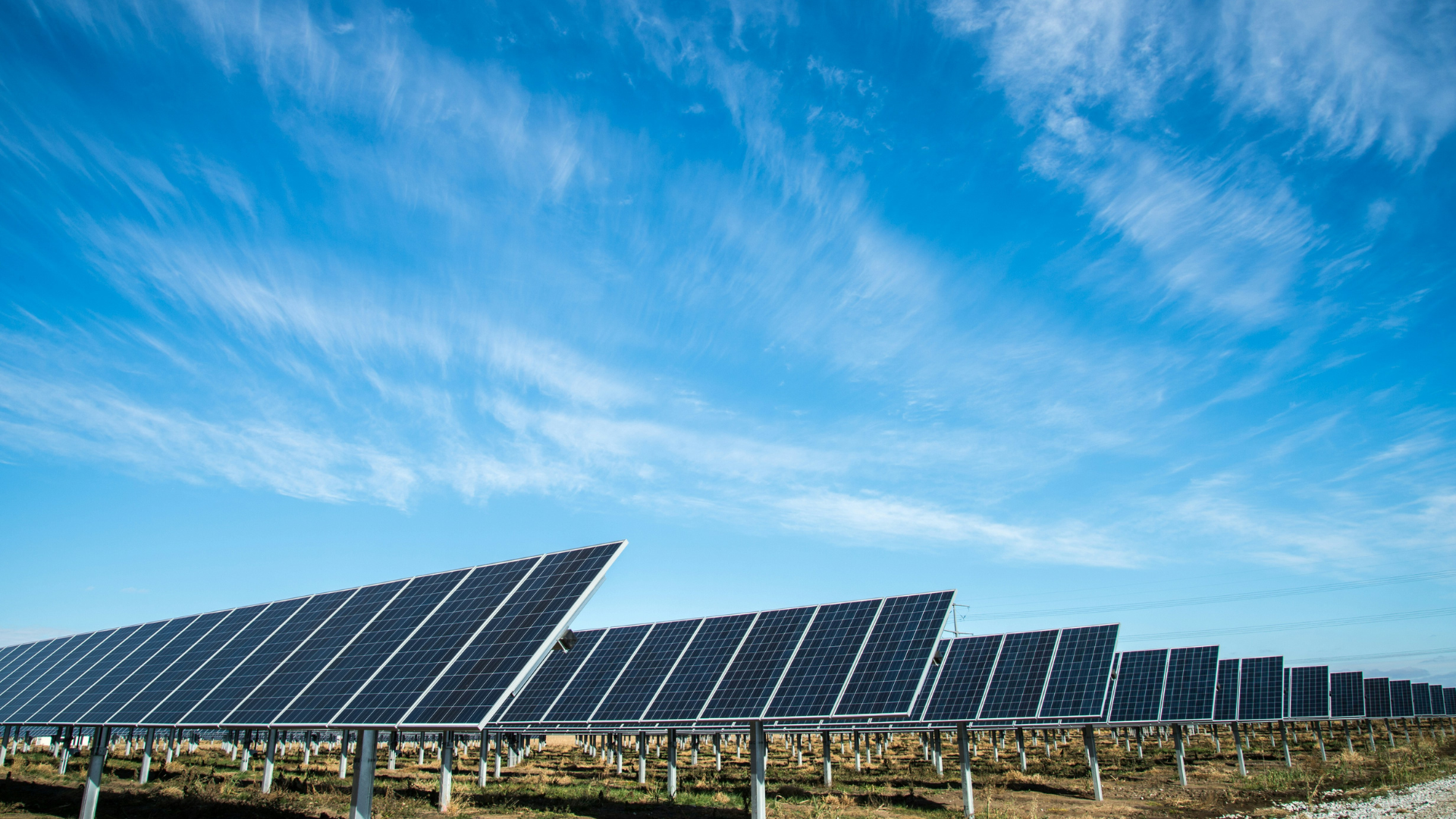
Community solar (also called shared solar or community shared solar) lets businesses subscribe to a portion of a local solar farm's output. The energy feeds into the grid, and you receive credits on your utility bill — typically saving 5–15% on electricity costs with no hardware to install or maintain.
Think of it like buying into a solar co-op: the farm generates power, the utility tracks your share, and your bill drops accordingly.
How It Works for Commercial Properties
The process is straightforward:
- Qualification check. Your building needs to be in a utility territory with an active community solar program. Currently, programs are available in over 20 states including New York, Massachusetts, New Jersey, Illinois, and Maryland.
- Subscription sizing. Based on your historical electricity usage, you're matched with an appropriately sized allocation from a nearby solar farm.
- Bill credits appear. Each month, the solar farm's output is converted to credits that appear directly on your utility bill. You pay a discounted rate for the solar credits — the spread between the credit value and what you pay is your savings.
- No long-term risk. Most programs allow cancellation with 30–90 days notice. There's no equipment on your property, no insurance requirements, and no maintenance obligations.
What Makes It Different From Rooftop Solar?
Rooftop solar is a capital project — it requires structural assessment, permitting, installation, and ongoing maintenance. Community solar requires a signature. That's it.
For building owners with flat roofs that can't support panels, leased properties, or portfolios spread across multiple states, community solar fills the gap. You get the financial benefit of solar without the physical infrastructure.
Who Qualifies?
Most commercial ratepayers in participating states qualify. Key criteria include:
- An active utility account in a participating territory
- Good payment history with your utility
- Sufficient electricity consumption to justify a subscription (most programs have minimums around $500/month in utility spend)
What's the Catch?
Honestly, the main limitation is availability. Not every utility territory has community solar programs yet, and in popular markets, waitlists can be long. Working with an energy advisor who has relationships with active developers helps you skip the queue and get allocated faster.
How PPEG Helps
We evaluate your portfolio's eligibility across all properties, match you with the best available projects in each territory, and manage the enrollment process end-to-end. Our clients typically see their first bill credits within 60–90 days of signing up — with zero out-of-pocket cost.
If you're managing commercial properties in the Northeast, Mid-Atlantic, or Midwest, there's a good chance you're leaving money on the table by not participating in community solar.
.png)
.png)
.png)


.svg)


